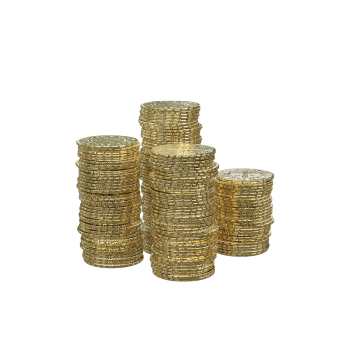
four stacks of gold coins

Chongning Zhongbao
Chongning Chongbao is one of the ancient Chinese coins. Cast during the Chongning period of Emperor Huizong of the Northern Song Dynasty (1102-1106 AD). The face inscription "Chongning Chongbao" is read in the clerical script, with a simple and square style, mostly with a light back, and a few with stars, moons, crosses, etc. on the back. Chongning Chongbao is one of the more important coins in the late Northern Song Dynasty, and also the coin with the most plate types in the Northern Song Dynasty. According to statistics, there are about 300 different versions of Chongning Zhongbao, and every year, different versions of Chongning Zhongbao are discovered by experts or Tibetan friends.
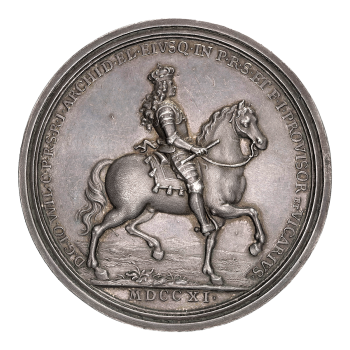
John William Medal
John William Medal (1658-1716). This medal from 1711 was awarded by P H. M ü ller's design was created for the Imperial Archdiocese after the death of Emperor Joseph I. On the front is the Elector wearing armor, wearing an Elector hat, holding a Marshal's baton, and riding a horse to the right. On the other hand, Hercules and Atrant shoulder the earth together. This medal is silver, with a diameter of 66 millimeters and a weight of 152.26 grams
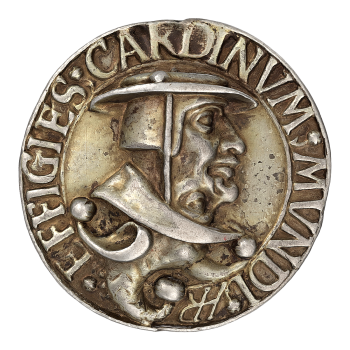
Mocking Medal, made in 1544
The Mock Medal was created by Hans Reinhardt at the Council of Trent in 1544. The obverse of this medal is engraved with the portraits of a cardinal and a clown, surrounded by the Latin inscription 'EFFIGIES CARDINVM MUNDI HR'. The reverse side is engraved with five elements of text and the year. This medal is silver and plated with gold, with a diameter of 28 millimeters and a weight of 5.58 grams.
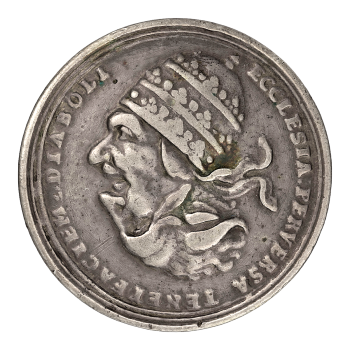
The Mocking Medal of the Catholic Church
The mocking medal of the Catholic Church. In the mid-16th century, the Reformation (Church Restoration Movement) created medals to mock the prominent figures of the Catholic Church. These medals have two patterns on the front and back. If you rotate the medal 180 degrees, the Pope will become a devil and the Cardinal will become a fool with donkey ears. The medal is made of silver and has a diameter of about 3. 7 centimeters.
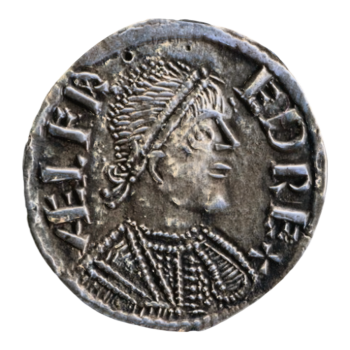
Alfred the Great's Silver Coins
Alfred the Great (849-899 October 26, 1999) was the king of the Kingdom of Wessex during the Anglo Saxon period of England, and the first person in British history to call himself the "King of the Anglo Saxons" and truly live up to his name. In 886 AD, Alfred recaptured London from Danilao and began issuing silver pence featuring his portrait. This is considered the beginning of the continuous development history of the Royal Mint. To celebrate the 1150th anniversary of one of the most influential monarchs in British history becoming king, the Royal Mint announced today the launch of a commemorative coin collection in honor of Alfred the Great.

Electric gold three drachma (tridrachm) coin of ancient Roman Carthage (Carthage)
Carthage was an ancient Phoenician city-state on the Mediterranean coast of present-day Tunisia. Electric gold is an alloy composed of gold and silver, while the tridrachma is a unit of coin from the ancient Greek and Roman periods. Such coins are usually issued by governments or city-states for commercial transactions and currency circulation.

Popular Models
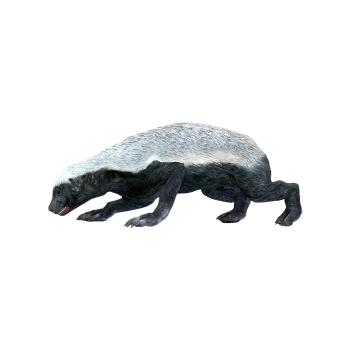
Honey Badger (3D animated model)
192 View
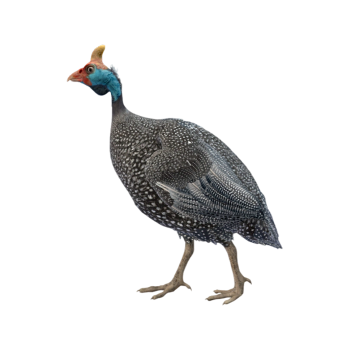
Guinea fowl (3D animated model)
163 View
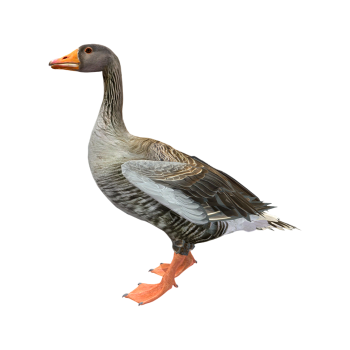
Wild Goose (3D animated model)
185 View
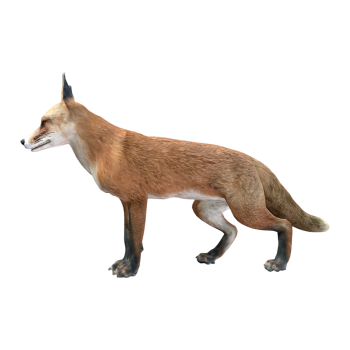
Red Fox (3D animated model)
153 View
Random Model


Apple Watch Ultra
1753 View

Tyrannosaurus rex skull fossil
1756 View

Shishi Valley Pumpkin
357 View

Vintage decorative hourglass
631 View

Sallia cono specimen
852 View


American badger (with 3D animated model)
1181 View